50 Human Resources
What a Human Resources Executive Actually Does
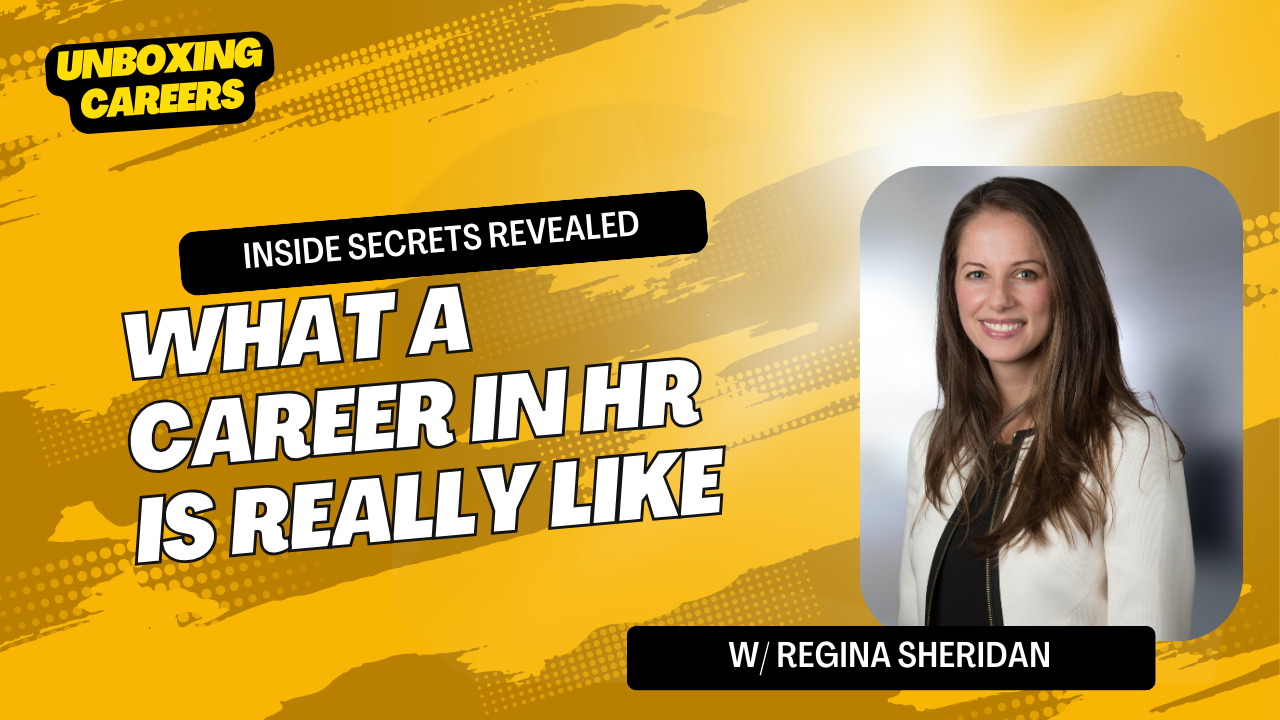
Guest: Regina Sheridan is the Executive Vice President, People and Culture of Libra Group, overseeing all recruiting and people operations, supporting a strong corporate culture, and overseeing Libra Group’s Global Internship Program. Previously, Regina was the Vice President of Libra Social Responsibility, overseeing Libra Group’s global philanthropy, and before that, she was the Executive Director of Concordia. She holds an M.A. from New York’s Columbia University, an M.A. from American University, and a B.A. from Davidson College.
Connect with Regina:
Listen: Spotify | Apple Podcasts | Amazon Music
What Is It Really Like to Work in Human Resources? Inside a Career in People and Culture
Human Resources often gets reduced to hiring paperwork and policy enforcement. But in a global organization operating in over 60 countries, leading People and Culture looks very different.
In this role, HR is not just about compliance. It is about shaping how a company behaves, how managers lead, and how young professionals grow inside the business. The work blends strategy, mentoring, recruiting, and operational oversight, all while protecting the company’s values. If you choose this career path, your days will revolve around people. Not in theory. In reality.
What Does a People and Culture Executive Actually Do Each Week?
One of the first things to understand is that there is no fixed routine. No two weeks look the same. That unpredictability is part of the appeal. There are recurring responsibilities that anchor the role. Each week includes check-ins with different departments such as accounting, governance, and communications. These conversations ensure that managers have one-on-ones with their teams, set goals, and support employee growth. There are also ongoing operational tasks, such as payroll oversight, policy review, and updating the employee handbook as needed.
But the job shifts depending on the time of the year. One quarter may be heavily focused on recruiting interns from around the world. Another quarter may revolve around planning the company’s annual gathering, where employees come together in person. Toward the end of the year, attention turns to benefit renewals, performance conversations, and preparing goals for the next cycle.
A realistic sample week might include:
Conducting multiple candidate interviews and assessing cultural fit
Meeting with department heads to discuss team development
Reviewing or updating company policies
Designing or facilitating a professional development workshop
Coordinating logistics for intern orientation or company gatherings
This is not a desk-only job. It is calendar-heavy, people-facing, and constantly shifting. If you prefer predictable routines, this may feel chaotic. If you enjoy fast-paced, varied weeks, it can feel energizing.
The Internship Program: One of the Most Hands-On Parts of the Job
One of the most concrete parts of the role is leading the company’s global internship program. Twice a year, interns from countries such as Greece, Armenia, Kenya, and Colombia come together in New York for an intensive orientation week. That week is fully designed and coordinated by the People and Culture team.
The focus is not just onboarding paperwork. It is confidence building, professional development, and exposure to senior leadership. Executives from different sectors of the company speak directly to interns in open Q&A sessions. The goal is to demystify business and give students real access.
At the beginning of the week, many interns are quiet and unsure of themselves. By the end, they leave more confident, more self-aware, and clearer about how business operates. During these periods, the role becomes highly project-based. The week involves:
Designing the curriculum for orientation
Coordinating executives across multiple industries
Leading team-building exercises
Facilitating discussions and workshops
Advising interns individually
This part of HR feels almost like teaching. If you enjoy watching visible growth in young professionals, this type of responsibility can be deeply rewarding.
The Emotional Reality of Working in HR
Behind the meetings and planning, there is another layer to the job that students often do not see. HR sits at the intersection of personal lives and business operations. Employees experience health issues, family emergencies, career frustrations, and professional milestones. Many of those situations eventually involve HR.
Sometimes the role is joyful, such as celebrating promotions or helping someone develop a new skill. Other times, it involves navigating sensitive conversations and difficult decisions. A central tension exists in the job: balancing empathy for individuals with the standards of the organization. You must:
Protect fairness and company values
Maintain confidentiality
Explain policies clearly and respectfully
Support individuals without losing neutrality
There is always a human behind every employee file. That awareness makes the role meaningful, but it also makes it emotionally complex. If you avoid hard conversations or struggle to stay neutral during conflict, this job can feel heavy.
How Success Is Measured in This Career
Unlike sales or finance, success in HR is not always tied to a single number. In this organization, performance connects back to values. That means looking at whether employees are developing, whether managers are leading effectively, and whether turnover remains low.
Retention becomes a meaningful signal. When employees stay, or move within the broader company ecosystem instead of leaving entirely, it suggests the culture is working. Other success indicators include:
Time invested in leadership development
Employee engagement with professional development programs
Manager participation in performance conversations
Internal mobility across teams or subsidiaries
The work is long-term. Results often show up gradually rather than instantly.
The Hardest Parts of the Job
The most challenging part is the emotional balancing act. You cannot take sides casually. You cannot react purely emotionally. Decisions must align with company values while still respecting individuals. Managing different personalities across departments can also be complex. Not everyone communicates the same way. Not everyone shares the same expectations. HR must bridge those gaps without escalating tension.
Another challenge is managing generational expectations. Younger professionals may expect faster change or more flexibility. Part of the role involves helping them understand existing norms while also learning from them in return. It is not purely administrative work. It is relational and strategic. That combination requires maturity and resilience.
What Skills Actually Matter in Human Resources?
Technical knowledge about compliance and policy can be learned. The more difficult skills are behavioral. High emotional intelligence is critical. Being able to read a room, sense tension, and adjust communication style is essential.
Decision-making must be fair and values-driven. Communication must be clear, direct, and empathetic, especially in a global organization where cultural differences matter. Successful professionals in this field tend to demonstrate:
Strong emotional awareness
Calm decision-making under pressure
Comfort with cross-department collaboration
Cultural sensitivity
Clear, respectful communication
These skills are often developed through experience. Teaching, retail, startup work, or client-facing roles can all build the necessary foundation.
Career Snapshot: Is Human Resources the Right Career for You?
You may thrive in this career if you:
Enjoy mentoring and professional development
Stay calm during sensitive or emotional situations
Like balancing big-picture strategy with daily operations
Prefer varied weeks over repetitive tasks
Care deeply about fairness and company values
You may struggle if you:
Avoid conflict or difficult conversations
Prefer isolated, independent work
Dislike shifting priorities
Feel drained by emotional complexity
Core tradeoffs and realities:
You will handle sensitive, personal information
You must balance empathy with policy enforcement
Your work impacts both individual careers and company direction
Success is measured over time, not instantly
For someone energized by people, growth, and shaping culture, HR can be a deeply meaningful career. For someone who prefers technical, isolated work, it may not be the right fit.
FAQs About Careers in Human Resources
What does someone in HR actually do every day?
Daily work includes cross-departmental meetings, interviewing candidates, reviewing policies, planning training sessions, supporting managers with performance conversations, and handling sensitive employee situations. The job is highly conversational and strategic, not just administrative.
What should I major in to work in HR?
There is no single required major. Business, leadership, or organizational psychology can help, but varied experiences such as teaching, retail, or startup roles can also build the necessary skills.
Is HR a stressful job?
It can be emotionally demanding. You often balance employee personal situations with business standards. However, many professionals find the human impact deeply rewarding.
How competitive is the HR field?
Cultural fit is often more important than technical qualifications. Companies look for emotional awareness, sound judgment, and strong communication. The field is evolving, especially with changes in technology and workplace expectations.
Can you earn a high salary in HR?
Compensation varies widely by company size, industry, and location. Senior roles can reach six figures, but early career professionals are encouraged to prioritize growth opportunities and development over salary alone.
Interested in other careers? Check out these episodes:
Listen on: Spotify | Apple Podcasts | YouTube | Amazon Music